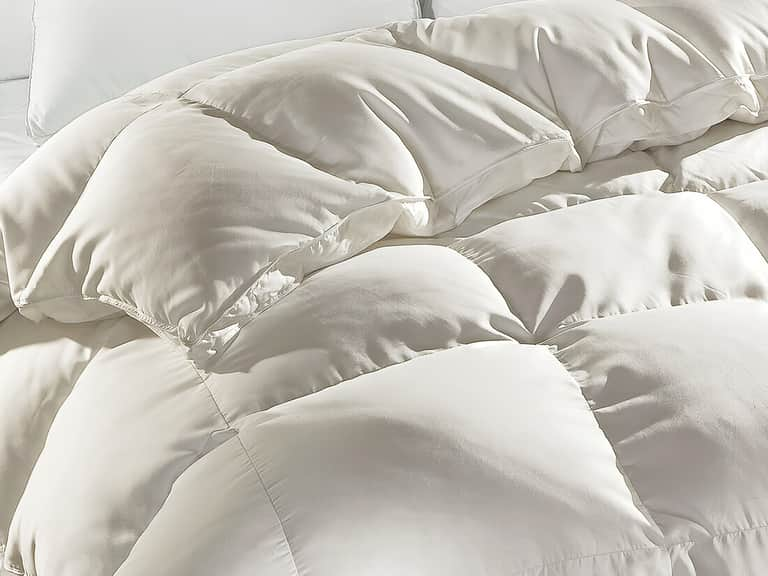
Comforters serve as a primary layer for warmth and insulation in bedroom environments, balancing temperature regulation with comfort. Across materials and fill types, they contribute to sleeping quality by maintaining consistent microclimates, minimizing heat loss in cooler nights and preventing overheating when climates rise. Understanding fill power, GSM, and fabric weave helps in selecting suitable comforters for varied sleep needs.
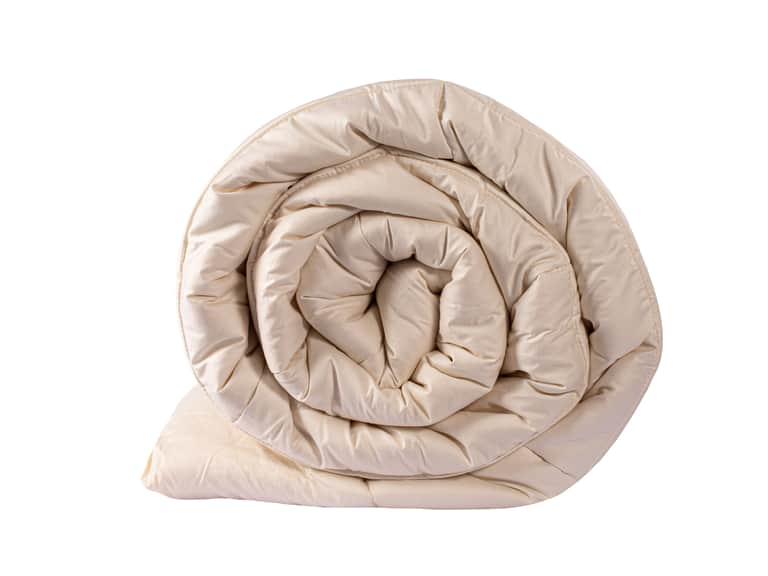
In this category, practical options include the Sleep and Beyond myMerino Wool Comforter Light, which leverages natural merino wool fibers for breathable warmth, moisture management, and a lightweight profile. Wool fibers trap air to retain heat when needed while wicking away moisture, supporting comfortable temperatures throughout diverse sleep environments.
The Clean Bedroom Manhattan Goose Down Comforter offers a distinct approach with a high-loft, lightweight fill that provides exceptional warmth-to-weight performance. Goose down creates insulating pockets that respond to body heat, yet many variants stay airy, reducing overheating and encouraging restful, undisturbed sleep with a plush, cloud-like feel.
Material science and construction details matter when evaluating comforters, including shell fabrics, stitching patterns, and fill distribution. High-quality cotton or sateen shells and baffle-box or sewn-through designs help retain even loft and prevent cold spots, while visible stitching ensures durability and consistent comfort across nightly use.
Across these options, users benefit from understanding care requirements, allergen considerations, and how different fills influence temperature neutrality, scent retention, and longevity. Informed choices consider bedroom climate, personal warmth preference, and maintenance routines, aligning bedding composition with long-term comfort, sleep quality, and overall wellbeing.
 Bedding