Choosing the Right Pillow: A Practical Guide for NYC Sleep Needs
A New Yorker’s bedside manual on pillow fills, lofts, and firmness—tailored to the realities of compact urban living and the city’s particular rhythms.
Published September 30, 2026
In the shadow of Manhattan’s skyways and the winding avenues of Brooklyn brownstones, sleep—once a private ritual—has become a practical art: how to maintain neck alignment in a room whose proportions demand clever, compact comfort. The pillow, modest in size but formidable in consequence, is the hinge on which a good night turns. This guide isn’t about the loud bravado of mattress advertising or the theater of showroom displays. It’s about choosing a pillow that fits the person who lies on it and the urban environment in which they reside.
To understand pillow selection in a city that never quite relinquishes its bustle, consider three axes: fill material, loft (how tall or lofty the pillow feels), and firmness (how resistant it is to compression under your head and neck). These are not abstract properties; they map directly to how you sleep, where you sleep, and what your apartment demands in terms of temperature regulation, cleaning routines, and space efficiency. In a small NYC bedroom, a pillow isn’t just something to rest your head on—it’s a tool to optimize posture, temperature, and even the way you inhabit the bed itself.
Pillow fills: down, latex, wool, and beyond
The palette of pillow fills available to the urban sleeper ranges from natural to synthetic, each with a distinct temperament. Down, whether Hungarian white goose down or Siberian varieties, offers a cloud-like loft and a forgiving, enveloping feel. Its warmth and resilience depend on fill power and the construction of the pillow’s outer shell. A high fill power translates into a pillow that feels airy yet supportive, a gentle lift that remains buoyant through the night. For side sleepers, higher loft can be a boon, aligning the spine more effectively; for stomach sleepers, a lower loft minimizes neck twist and profile pressure.
Latex, particularly shredded or solid cores, provides a breathable, buoyant support that resists the flattening that sometimes accompanies down. Shredded latex, with its micro-cavities, often permits air to circulate and can adapt to shifting head shapes and sleeping positions. It’s a good fit for warm-humid NYC summers when the room tends to hold more moisture, as latex tends to promote airflow while maintaining a steady cushion.
Wool, including organic or Canadian origins, offers naturally breathable warmth and a climate-regulating property that many urban sleepers value. Wool can wick moisture and resist overheating, making it a compelling choice for apartments with variable temperatures—from sun-soaked mornings to chilly nights in winter wind tunnels of glass towers.
Other fills—such as shredded Kapok or cotton-based cores—offer alternative textures and weight profiles. The key for New York living is to pair a fill with an appropriate loft and a cover that respects the skin’s sensitivity and the home’s cleaning cadence. It’s not about chasing the most expensive material; it’s about finding a stable, balanced experience that remains consistent through the week’s most frenzied mornings and the weekend’s slow Sunday rituals.
Loft and firmness: translating sleep position into pillow shape
Sleep position profoundly influences pillow choice. Side sleepers typically require more loft to keep the head from tilting toward the mattress, aligning the neck with the spine. Back sleepers may benefit from a medium loft that supports the natural cervical curve without pushing the head forward. Stomach sleepers often need a flatter profile to minimize neck strain caused by cervical extension. Weight also matters: a denser body mass compresses a pillow more, so the mattress’s firmness and the sleeper’s preferred sleep posture should guide loft decisions.
Firmness is not a binary variable but a spectrum. A pillow can feel soft in its initial cushion yet resist flattening over the night due to its interior construction. Some sleepers appreciate a pillow that offers an initial plush feel and then supports as it compresses; others prefer a pillow that remains consistently supportive from first lay to last awakening. In an urban bedroom, where space is precious and air circulation can influence perceived temperature, a pillow’s structural integrity becomes a comfort strategy: less shifting, less heat buildup, less waking with neck stiffness.
Care, maintenance, and longevity: fitting city life to pillow life
A NYC apartment’s cleaning routine is often brisk: a wash cycle here, a quick line-dry there, and perhaps a seasonal rotation of textiles. Pillows that are machine-washable and easy to dry offer the most practical advantages for urban dwellers. Down-filled pillows are typically spot-cleanable or require gentle washing, with drying cycles that can be lengthy. For latex-based pillows, spot-cleaning plus air-drying typically suffices, while wool pillows demand careful attention to washing guidelines to preserve their insulating properties without matting the fill.
Pillow protectors—simple covers with allergen barriers—can extend a pillow’s life by shielding it from oils, sweat, and incidental spills. In high-rise living, where windows may be opened for only moments, preventing the daily accumulation of dust and dander can meaningfully impact comfort and odor control. A washable cover, paired with a pillow protector, can help maintain loft and softness without frequent full cleanings.
Choosing a pillow in three NYC-appropriate scenarios
- Scenario 1: A compact studio with a warm climate. In a small space, a pillow with a medium to low loft that breathes well becomes essential. A latex or wool pillow can provide a balanced feel without excessive heat buildup. Choose a pillow with a washable cover and a simple care routine that fits a busy urban schedule.
- Scenario 2: A renovated brownstone with variable temperature rooms. Temperature fluctuations make breathable materials valuable. Down pillows with a breathable shell or wool/pure cotton combinations can respond to changing warmth across seasons and rooms. Consider a pillow with a removable inner fill that can be adjusted for loft as needed.
- Scenario 3: A co-working commuter’s bedroom where sleep quality edges toward the edge of the day. A pillow that maintains loft and shape despite irregular bedtimes and late arrivals is ideal. A high-quality, responsibly sourced down pillow with robust edge support or a shredded latex option can stay consistent even after frequent nightly use.
Product-inspired examples for NYC readers
While the site prioritizes editorial guidance over retail push, real products that align with the guide’s philosophy can illuminate the discussion. The following examples, drawn from reputable brands, illustrate the range of what NYC sleepers might consider. Each reference links to a product page for further details and authenticity:
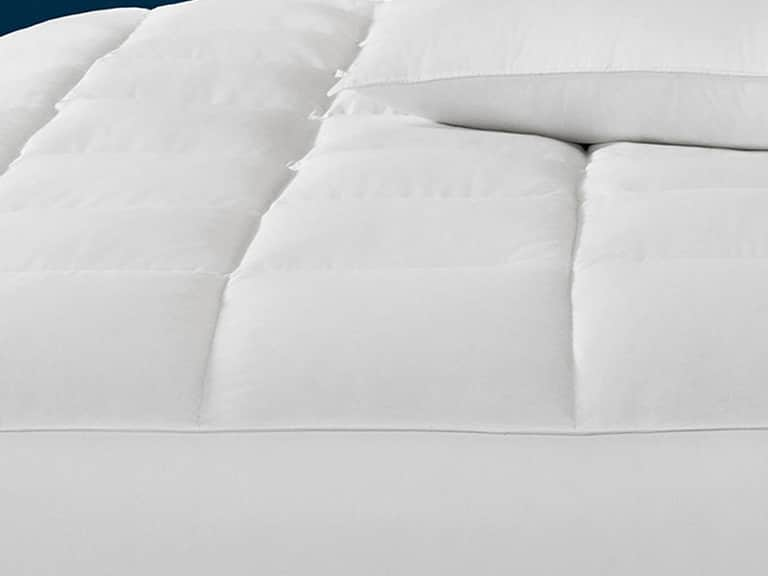
- Monmouth Mattress Pad — A breathable, down-filled layer that can influence perceived pillow comfort by affecting the top surface’s temperature and softness when layered with a pillow.
- Manhattan Down Pillow — A premium down pillow offering a distinct loft and a classic European construction that many urban sleepers find aspirational for bedtime rituals.
- Naturepedic Organic Wool Pillow — A wool-filled option celebrated for temperature regulation and natural breathability, appealing to readers seeking a heat-balanced sleep environment.
- Camden Pillow — A dual-chamber design that balances softness with stable loft, illustrating how construction can directly influence neck support.
These examples are not endorsements or advertisements; they are typologies that illustrate the pillow spectrum—from high-loft down to breathable wool and latex blends—relevant to the New York睡眠 landscape.
A practical decision flow for NYC residents
To translate the philosophy into a quick decision, try this flow:
- Identify your sleep position: side, back, or stomach. Note your usual head and neck support needs.
- Assess loft requirements: do you wake with a stiff neck or comfortable alignment? If you’re unsure, start with a medium loft and adjust after a week.
- Choose a fill type based on climate and care preferences: down for plushness, latex for resilience and breathability, wool for climate regulation.
- Consider a washable cover and a protective pillow cover to simplify maintenance in a busy urban home.
- Test for a week or two, evaluating not just neck comfort but room temperature, noise, and the feel of the bed as a whole.
Editorial notes on city sleep and wellness
New York’s rhythm—its trains, its late dinners, its art openings, its seasonal humidity—creates a sleep environment unlike suburban or rural settings. The pillow becomes a micro-architecture of comfort, a tool to shield the neck from the city’s crowded geometry and to domesticate the heat that a high-rise apartment can accumulate. In a city that prizes efficiency, the pillow’s role is paradoxically intimate: it demands time to understand its own personal fit, and it rewards that investment with a night of restorative ease.
The editorial voice here seeks to blend practical guidance with a sense of urban curiosity. We foreground genuine options and real-world considerations—care instructions, loft adjustments, and the tradeoffs between different materials—without aligning with any one brand’s sales narrative. The aim is to empower readers to choose thoughtfully, to curate a sleep environment that respects both their bodies and the unique demands of city living.
About the content mission
This article is part of a broader editorial strategy focused on sleep health, bedding comfort, and interior design within the New York context. The emphasis remains informational and non-commercial, with a view toward helping urban dwellers optimize their sleep quality through informed choices about pillows, sheets, and the surrounding sleep surface. When product references appear, they point to existing pages on the site that offer authentic product details and ethical sourcing notes, never as forced insertions.
Readers should expect a balanced, evidence-informed approach: references to independent standards, manufacturer disclosures, and consumer advice that supports healthier sleep without overwhelming the buyer with hype or pressure to purchase. The unique cadence of NYC life—its compact spaces, its transit-induced fatigue, its seasonal shifts—demands this considered, reflective treatment of everyday pillows as a cornerstone of night-wellbeing.
Conclusion: a pillow that fits the city, and you
In the end, choosing a pillow for an NYC sleep life is less about chasing a universal standard and more about discovering a personal equilibrium—between loft and pressure, between warmth and coolness, between the body’s needs and the apartment’s temperament. The right pillow can be a quiet collaborator in the city’s relentless pace, a small but steadfast ally that keeps the neck aligned and the mind prepared for the day ahead. It is, in short, a small architecture of comfort—just enough to steady the night so the morning might begin with clarity and ease.